

Gather round the card table without blowing the budget or the friendship. A well-run session starts with clear expectations before the first hand is dealt. Whether you are hosting in a Hobart share house or a suburban lounge, the structure matters more than the stakes. We reckon most arguments at the table come from vague rules, not bad luck. Setting the ground rules early keeps the mood light and the play honest. You can even compare the house edge you accept at a live venue with the friendly limits you set at home. For those who enjoy digital play on the side, checking no deposit bonus codes fairgo casino is a common way to test new platforms without committing cash upfront.
Laying Down the Ground Rules
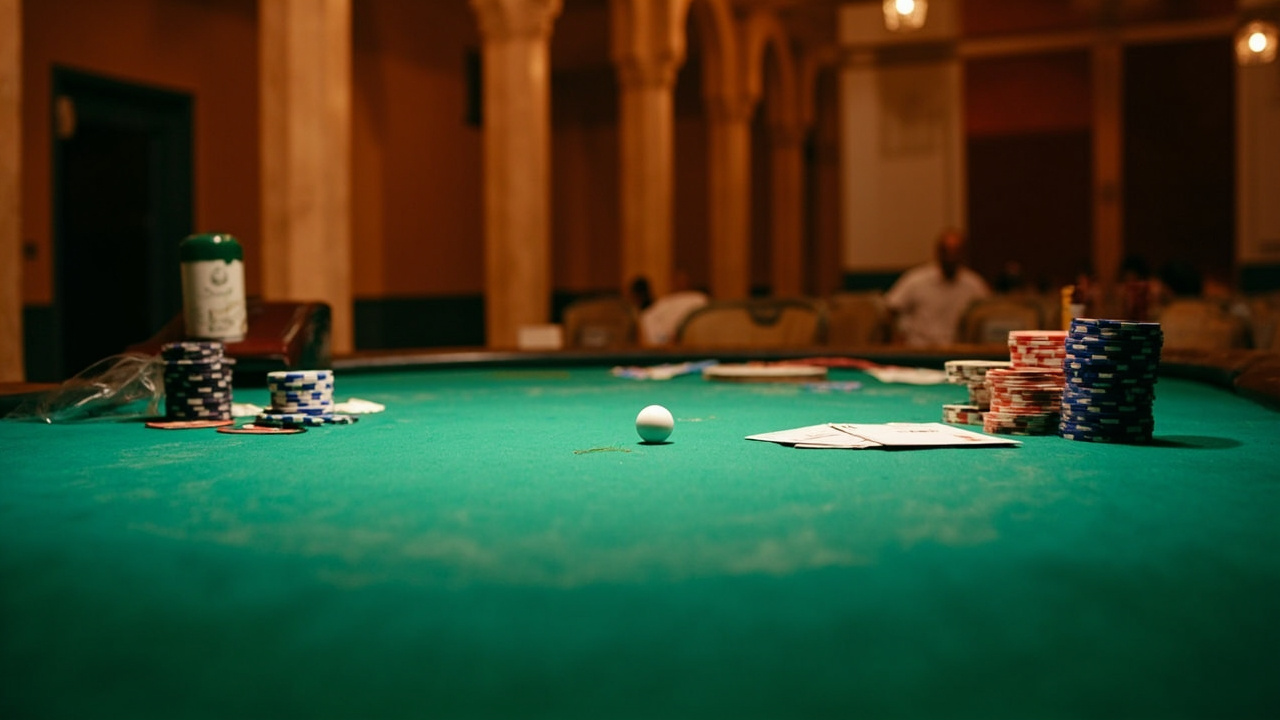
Home games thrive when everyone knows what is on the table before the cards are shuffled. You need a set buy-in, a clear rebuy policy, and a hard stop on when the kitty gets split. Most successful hosts cap the buy-in at a figure everyone can afford without sweating, often somewhere between $50 and $100 for a casual arvo session. The term gambling itself derives from an Old English word related to playing games, which is a handy reminder that the activity has always been about structured play, not free money. You should also decide whether you are playing no-limit hold’em or a tighter fixed-limit format, because the pace and the math change quite a bit. The house always wins reflects the mathematical certainty of the built-in edge, and that same principle applies when you run a home game with a small rake or a timed blind structure. Pick a scorekeeper who is not in the middle of the action, write the blind schedule on a whiteboard, and agree on how to handle disputes before they turn into arguments. Pub and club pokies have their own separate licensing from casinos, which is why the regulatory world splits venues into different buckets, but a private home game sits in its own space where the hosts set the tone. Keep the stakes visible, keep the snacks coming, and make sure nobody feels pressured to chase a bad beat.
A Straightforward Setup for First-Time Hosts
If you have never run a night yourself, treat it like hosting a mate’s barbecue rather than running a tournament. Start with a small group of four to six regulars so the table does not feel crowded and the decisions stay simple. Choose one game you all understand, set the blinds to climb every twenty minutes, and print a one-page sheet with the key rules so nobody has to keep asking. Decide on a fixed buy-in and tell everyone upfront that rebuys are allowed only during the first thirty minutes, which stops the session from dragging on when the money runs dry. Keep a small side pot for snacks and drinks, and make it clear that the kitty is split evenly at the end rather than going to the winner alone. If someone is new to the format, walk them through the hand rankings before the first deal and let them play a few warm-up hands with no money at stake. The goal is a relaxed night where the cards are the focus, not a high-pressure grind that leaves everyone tired and short-tempered. You will find the rhythm comes quickly once the first hour is under your belt, and the whole thing runs smoother when the host stays calm and sticks to the schedule.

Who These Sessions Suit Best
A home game works best for a few specific types of player, and knowing which camp you fall into helps you set the right stakes and pace. Casual social players do well with low buy-ins, slow blinds, and a firm end time so the night does not eat into work the next day. Small-stakes regulars often prefer a rebuy structure with a gentle rake that keeps the pot moving without turning the session into a grind. More competitive mates who want a bit of pressure usually enjoy a timed tournament format with a clear prize pool, but that only works when everyone has signed up for the same intensity. The right fit comes down to what the group actually wants, not what a glossy brochure promises. If your crowd is mostly there for a laugh and a few drinks, keep the limits modest and the rules simple. If you have a couple of serious players in the mix, make sure the format is clear and the blind schedule is fair so nobody feels the night is stacked against them. Either way, the best sessions are the ones where the rules are agreed on before the first card hits the felt and everyone leaves happy enough to book another night soon.